Kaleena Denby's Program for Undergraduate Research Experience 2026 Project
This year, undergraduate associate Kaleena Denby received a Program for Undergraduate Research Experience (PURE) Award. Funding 16 weeks of research from May through August 2026, Kaleena sought to represent designated heritage spaces through urban Métis understandings and digital heritage. As a case study, the project was focused on the heritage site the Hunt House & Metis Cabin.
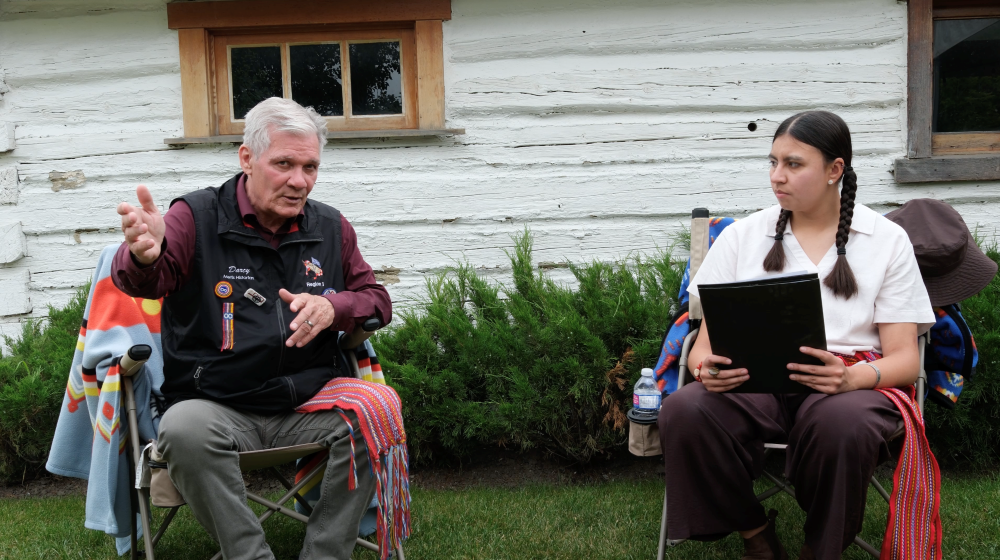
Darcy McRae and Kaleena Denby at the Métis Cabin, 2026
The end goal of Kaleena’s research was to create a virtual exhibit site which connected Métis experiences and the heritage buildings. To do this, she 3D-scanned the Hunt House & Metis Cabin with LiDAR (Light Detection and Ranging) and conducted two sets of interviews with five Métis residents in Calgary. Kaleena then integrated the LiDAR imagery and interviews into a digital storymap: The Hunt House & Métis Cabin Virtual Storytelling Project.
The webpage works as a virtual exhibit site, where users can learn about the histories of the designated heritage buildings (The Hunt House & Metis Cabin), urban Métis experiences with heritage sites and heritage, and digital heritage conservation.
Below are some of Kaleena’s reflections on her experience working within PURE and conducting a summer research project:
“I went into the start of my PURE project with a personal goal to explore long-term interests in heritage spaces. I wanted to learn how heritage conservators manage and work with designated sites while engaging community members in the Calgary Métis community in the process.”
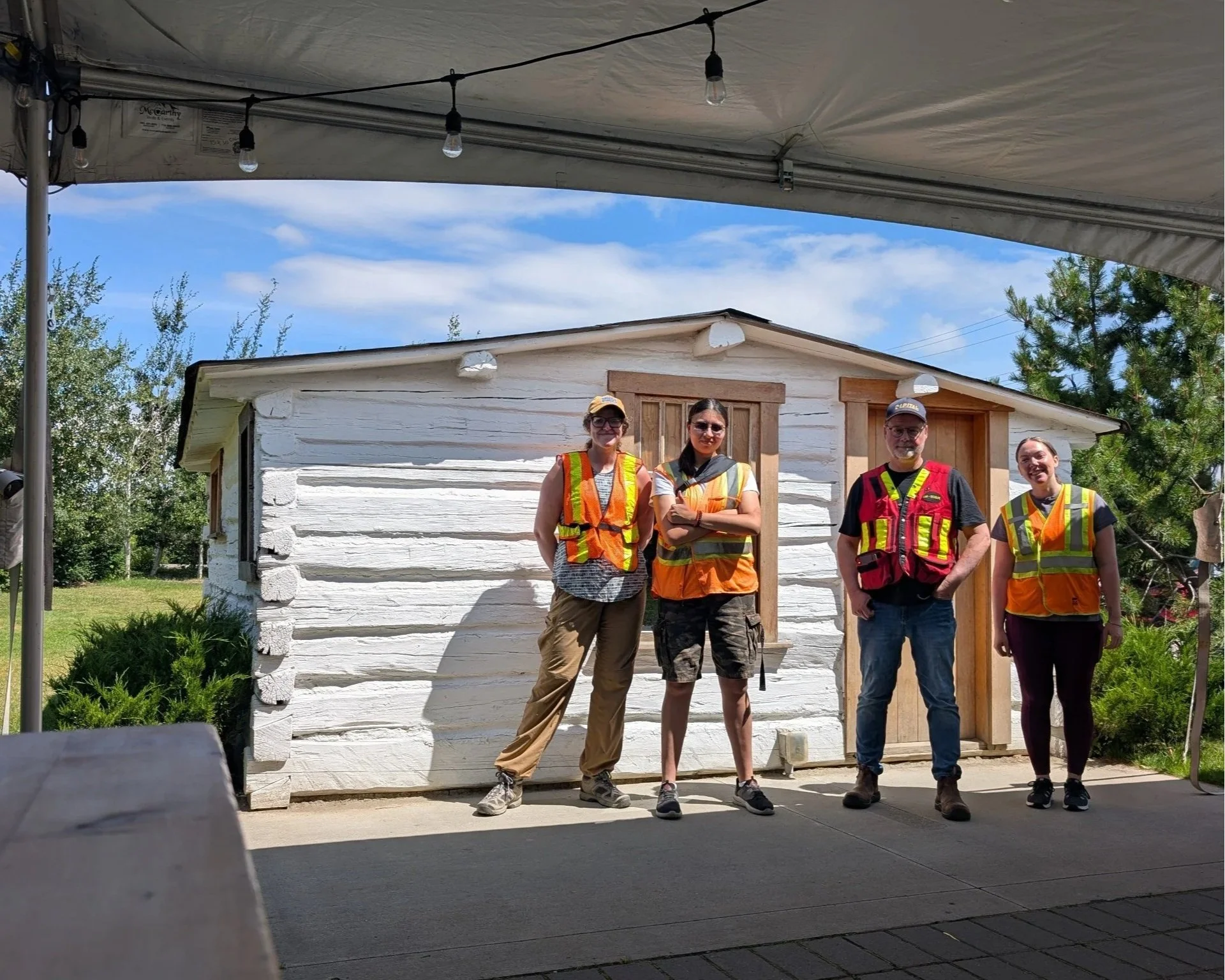
“One of my favourite experiences during this project was the opportunity to share the LiDAR technology and Hunt House & Métis Cabin scans with members from the Métis community in Calgary. Listening to each individual perspective about digital heritage gave me a lot to reflect on, especially the larger importance of digital conservation. I think that sometimes you can become so immersed in your field that you get caught up in the dominant ideas surrounding it. This is why it was so important to me to hear community members' experiences outside my field.”
“The relationship Métis peoples have with heritage works is incredibly individualized, with personal perspectives playing a key role in their understanding of heritage; moving forward, I would like to ensure these perspectives are valued and reflected in conversation processes. Conservation of Métis heritage sites allows the presence of designated heritage sites for future generations of Métis youth to form connections, and the recognition of Métis Indigenous identities and family histories. Conservation of designated heritage sites is also crucial for non-Métis individuals to form understandings of Métis heritage.”
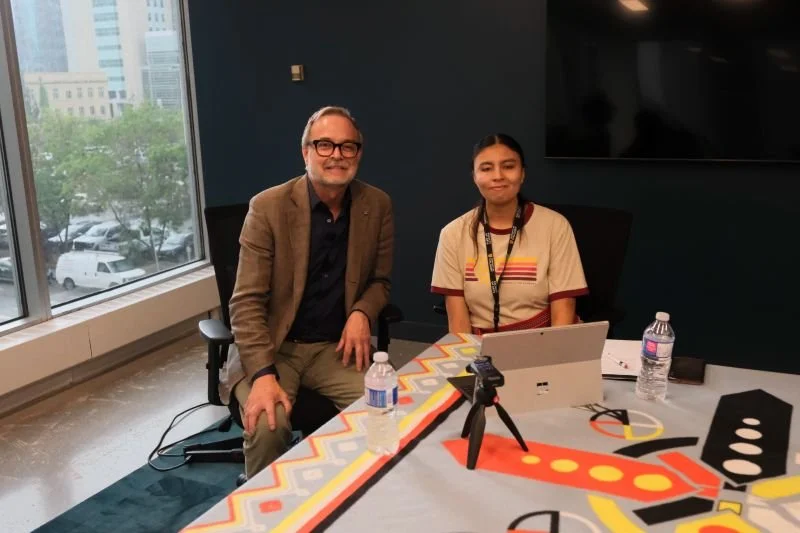
“Seeing my research taken so positively by community members and members of the general public, I feel like I can see myself in the conservation profession in the future. This has been a wonderful learning experience, and along the way, I have felt a genuine sense of enjoyment and excitement.”