Creeburn Lake Lodge: A climate-land-energy-water reconciliation hub as a Living Lab for Electrification of Ecosystem monitoring and restoration (Creeburn CLEAR hub)
More than 3 million hectares in size, Fort McKay First Nation’s (FMFN) people, hamlet, and traditional territories are centrally located within a landscape that is experiencing unprecedented industrial development in both geographic scale and intensity. Infrastructure construction (surface mines, processing plants, seismic lines, well sites and pipelines) required to extract and process bitumen in northeast Alberta is leaving an extensive industrial footprint throughout the region with lasting impacts for the next century. Industrial activity has adversely affected the performance of key ecological indicators (e.g., moose, furbearers and fish) considered critical to maintaining FMFN’s treaty rights. The community is developing their own ways to monitor and restore ecosystems with the least environmental impact possible, which involve the use of renewable energy to electrify their operations and activities.
In May 2025, Dr. Luis Virla, Dr. Laleh Behjat, and Dr. Sabrina Peric from the University of Calgary, and Dr. Ivan Kantor from Concordia University were awarded $1.3 million from Concordia University’s Volt-Age research program to support FMFN with this process. Their research aims to transform how ecosystems are monitored and restored by using clean electric-powered technologies, while also supporting the leadership of Indigenous peoples.
Creeburn CLEAR Hub will establish a living lab to test a fully off-grid mobile module for ecosystem monitoring and restoration in remote areas of Northern Canada, led by Indigenous land managers. This module will feature renewable energy systems to power tools like drones, instruments, and servers, enabling real-time analysis and data sharing to enhance management strategies. Additionally, it will include indoor growing systems to cultivate Indigenous plant seedlings near disturbed areas, improving their adaptation before reforestation. This approach aims to boost biodiversity, wildfire resilience, and carbon sequestration, as well as to develop monitoring systems that are both innovative and culturally adequate with the integration of Indigenous knowledge.
Our relationship with FMFN is grounded in trust, respect, equitable knowledge production, and commitment to building sustainable futures for the community of Fort McKay and settler communities. We commit ourselves to knowledge co-creation, combining the latest smart technologies and FMFN traditional knowledge systems to support a sustainable land-energy transition.
What is Volt-Age?
Volt-Age is a research program based at Concordia University, championing “carbon-neutral solutions through integrated research in building technology, energy storage, smart grids, and transportation electrification” while “[prioritizing] affordability, equity, and societal well-being, with a special focus on Indigenous communities.” Funded by a $123 million Canada First Research Excellence Fund, Volt-Age supports 53 electrification projects across 23+ academic institutions worldwide, with a special focus on Impact Projects, Living Labs, and Seed Projects.
Volt-Age - Our Research
Volt-Age - Our Partnerships
What is a Living Lab?
A Living Lab is a type of project where academic, non-academic, and community partners are brought together to test ideas in real-world settings against collective problems where successes can be shared.
Creeburn CLEAR Hub aligns with Volt-Age’s Living Labs and Knowledge Mobilization program by centring FMFN as the lead partner on community-driven electrification solutions to decarbonization. Creeburn CLEAR Hub also surrounds itself with two themes:
Creating a smart, sustainable, and healthy built environment
Building resilient community energy and transportation systems
Approaches and Objectives
Multi-level approach
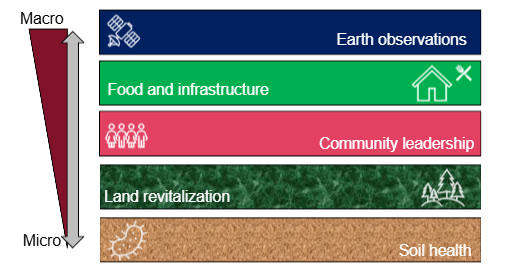
Creeburn CLEAR Hub objectives are achieved through a multi-level approach. This means utilizing multiple micro and macro levels of analysis across various systems at the same time. For example, collecting data on soil health all the way up to satellite imagery to monitor the restoration of reclaimed forests in FMFN’s traditional territories.
Main objectives
The Creeburn CLEAR Hub project has three main objectives to support a sustainable land-energy transition with FMFN. We intend to address:
Climate change and ecosystem degradation
Building-integrated aquaponic greenhouses aligned with community priorities, cultural values, and food security needs, increasing acceptance and long-term sustainability.
Land and water restoration
Integrate renewable energy, smart technologies (AI, IoT, modelling), and Indigenous knowledge
Electrification and clean technology integration
Deliver scalable, high-impact solutions for environmental, economic, and societal benefits to drive Canada's decarbonization
Volt-Age - Our Impact
Volt-Age - Indigenous research & EDI
What have we accomplished so far?
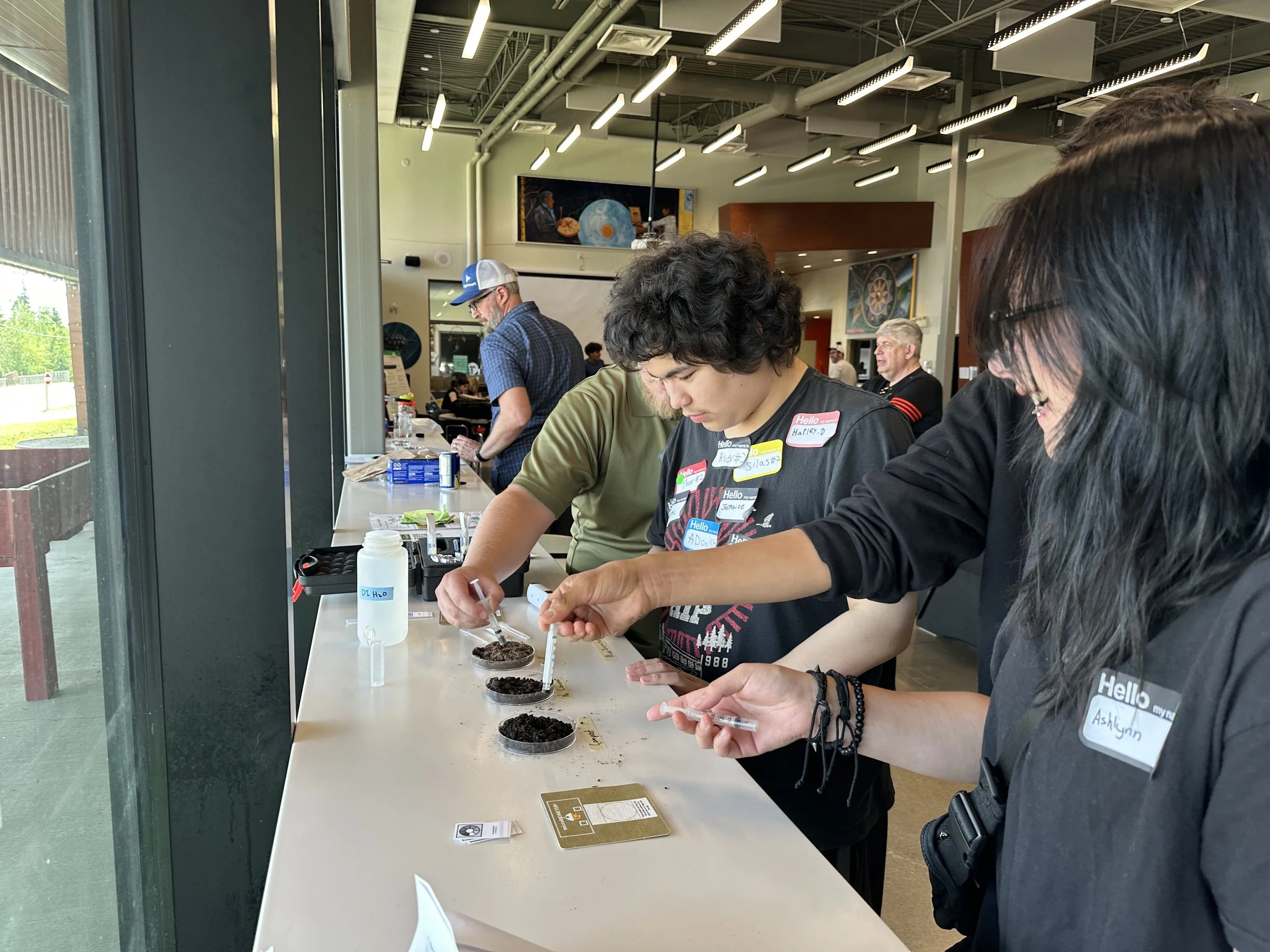
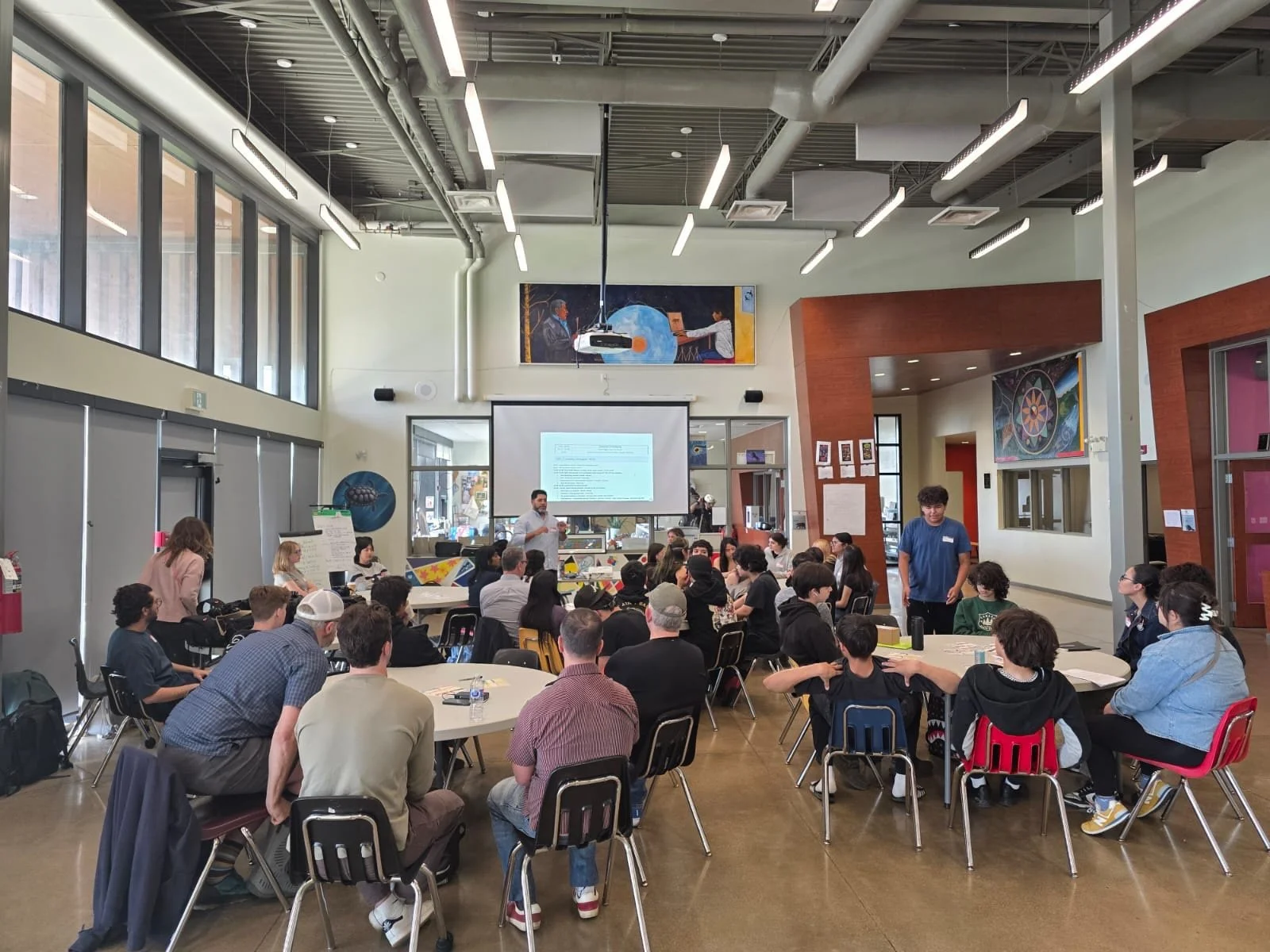
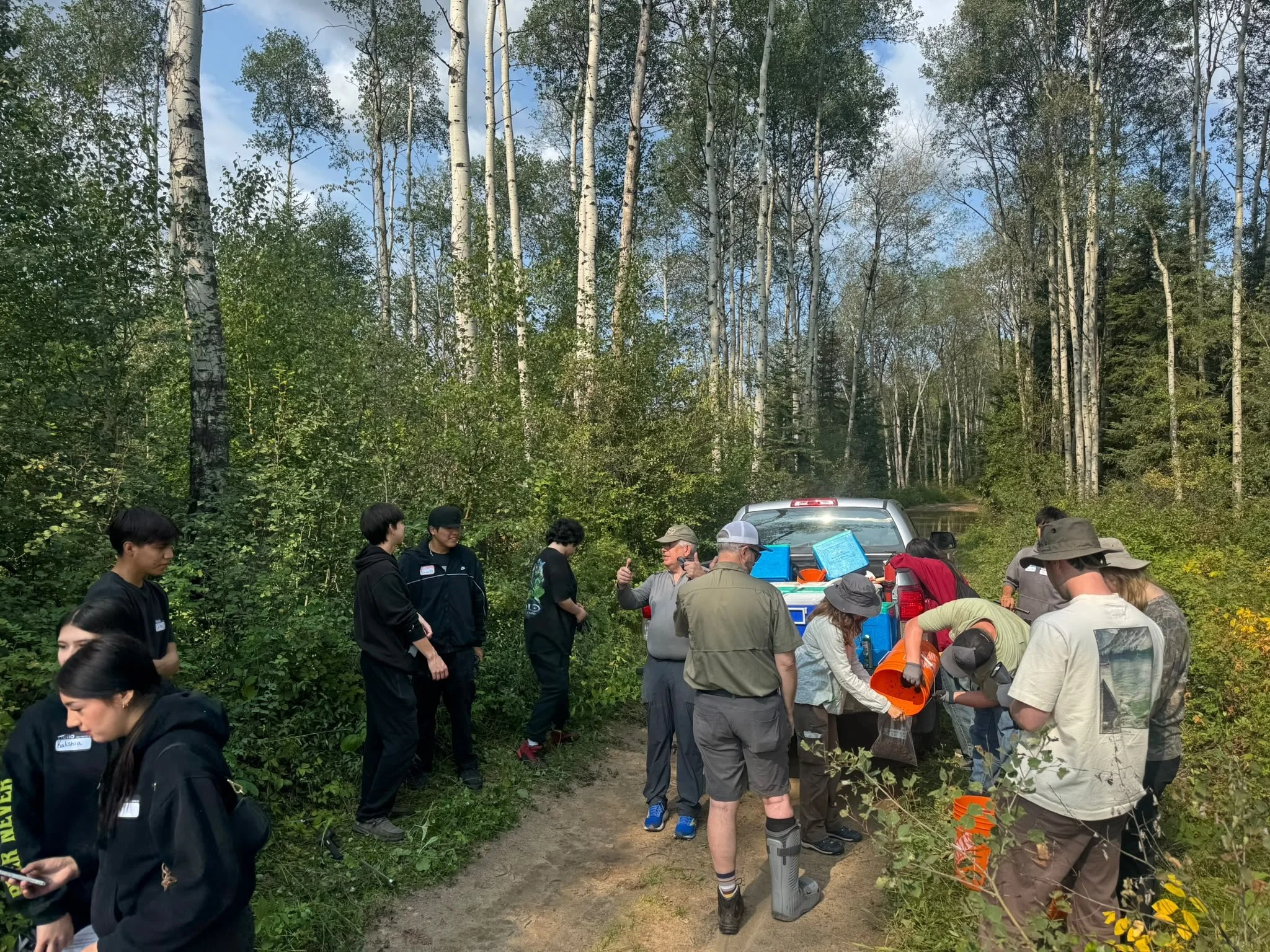
We have led two successful Fort McKay Sustainability Summer Schools in 2025 (FM3S’25) and August 2026 (FM3S’26), where high school students aged 14-17 learned about soil sampling methods and analysis, Earth observation and satellite imaging, hydroponics and composting, and photography and digital media editing.
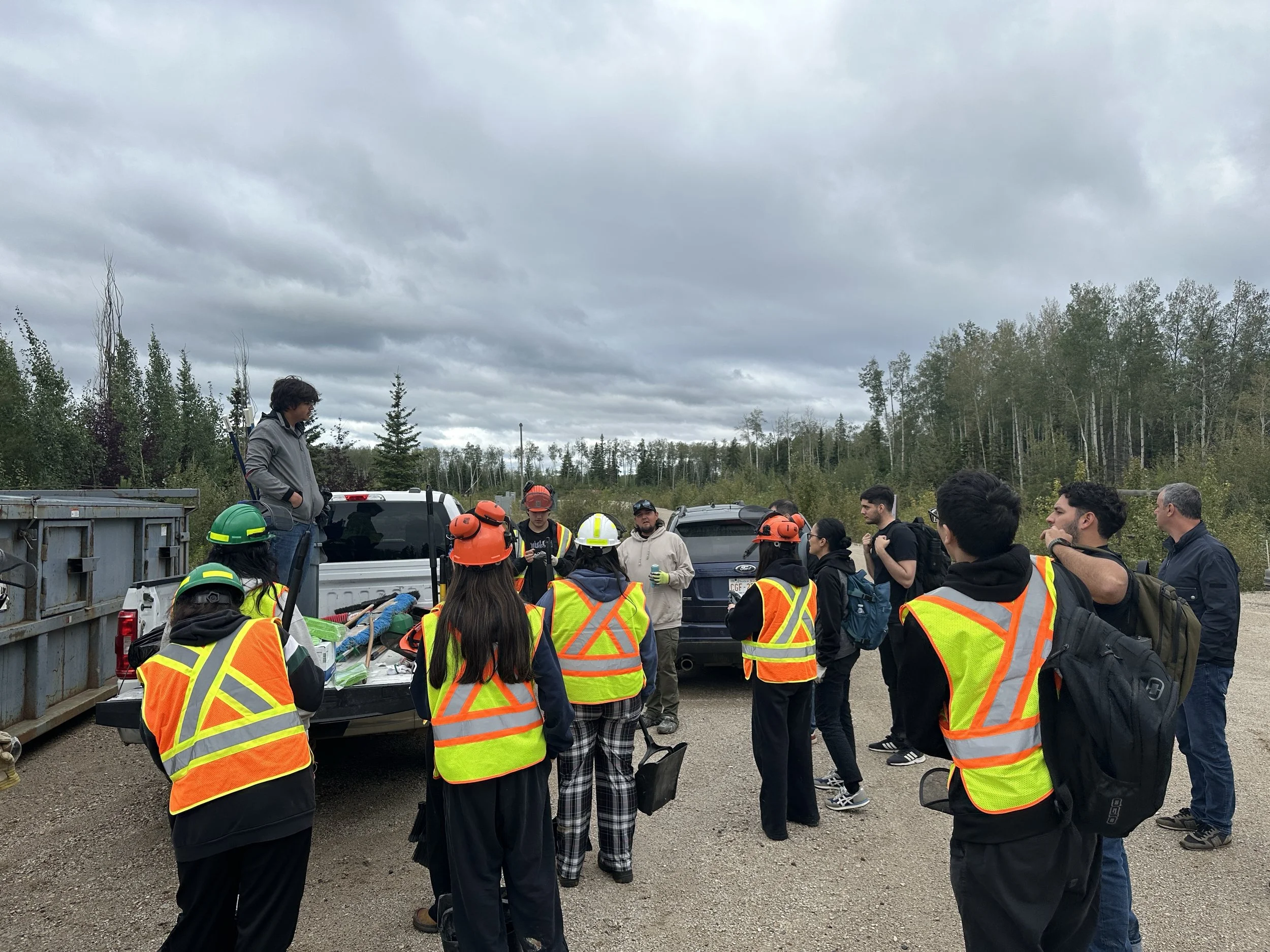
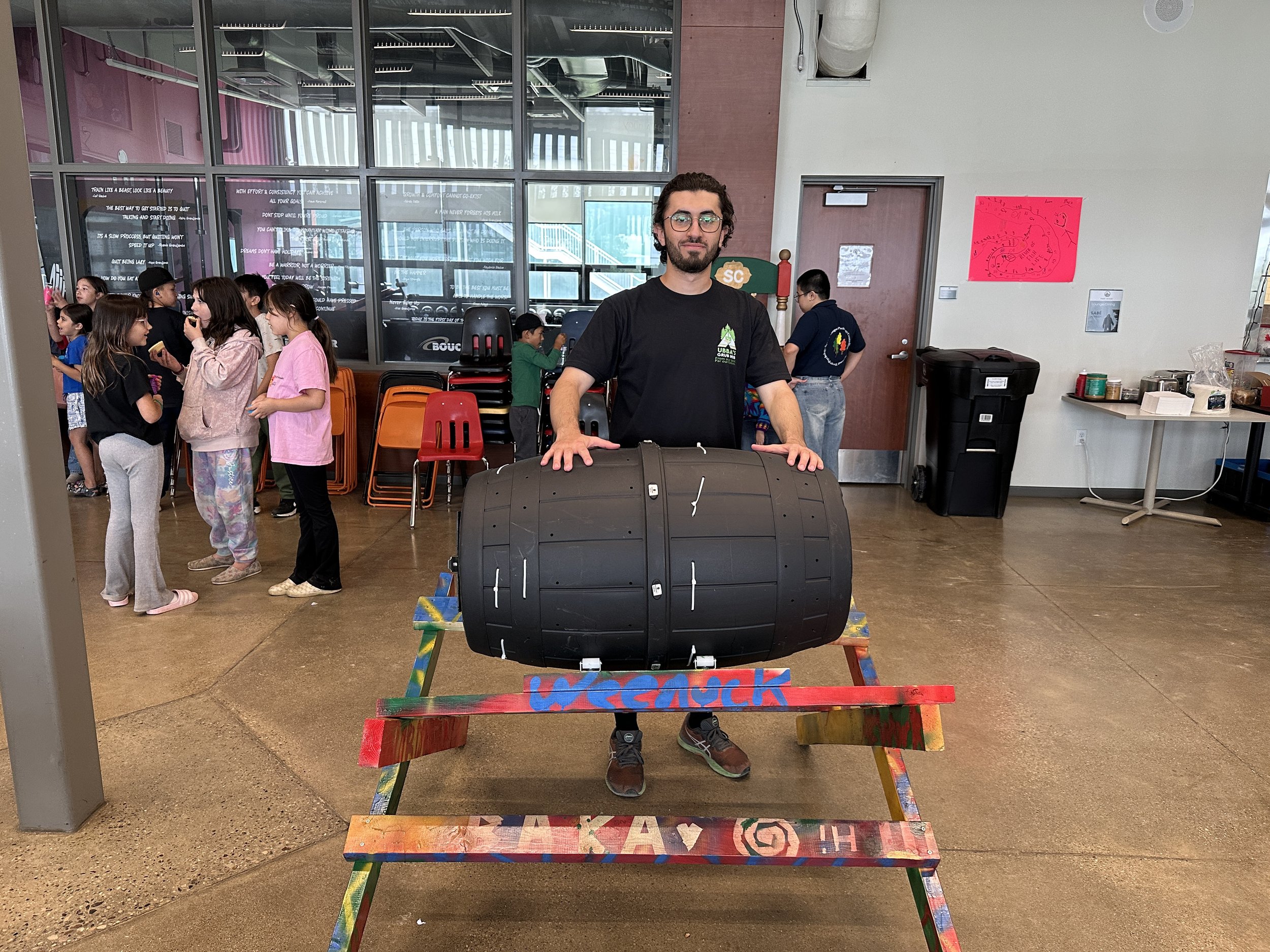
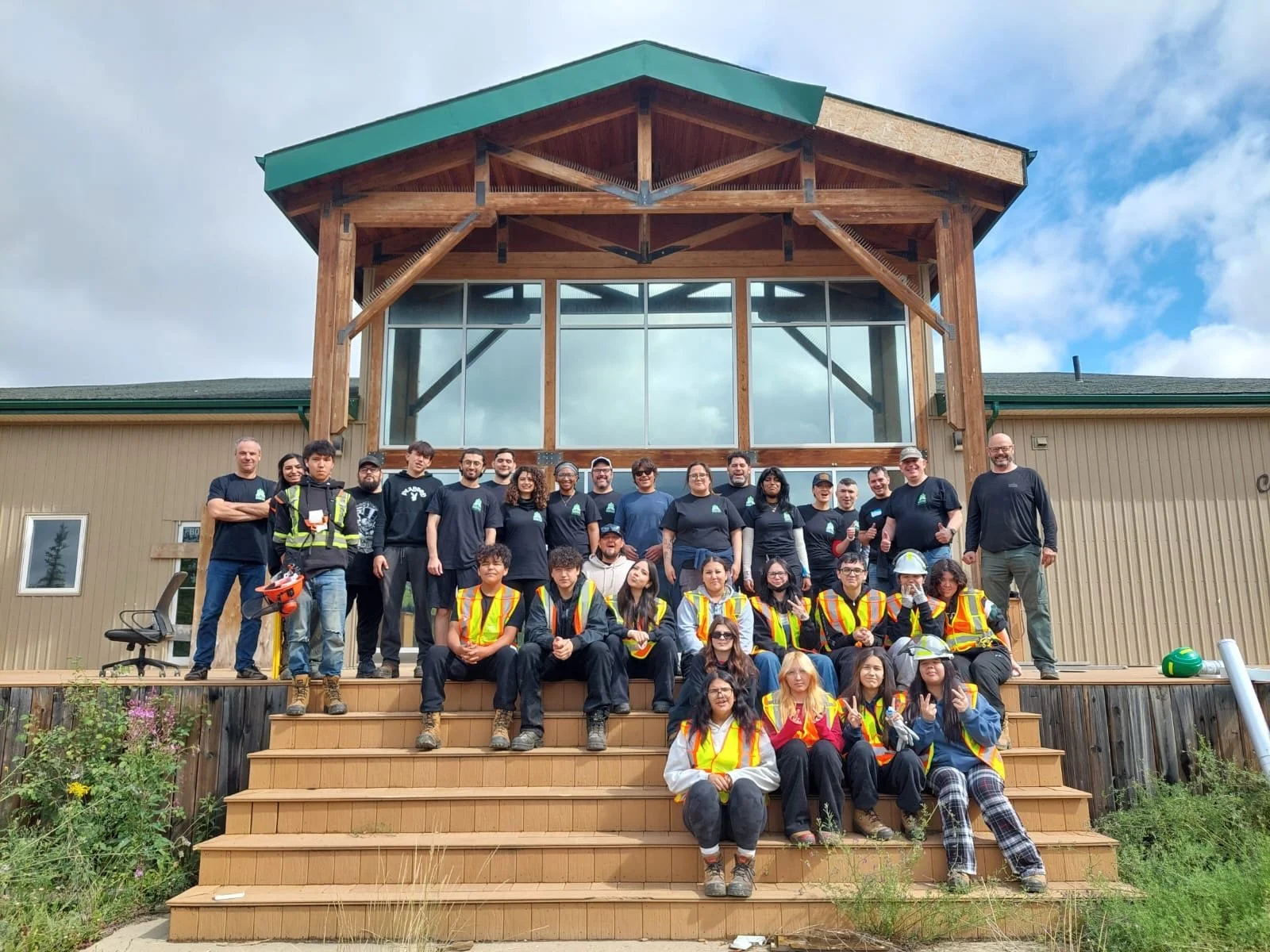
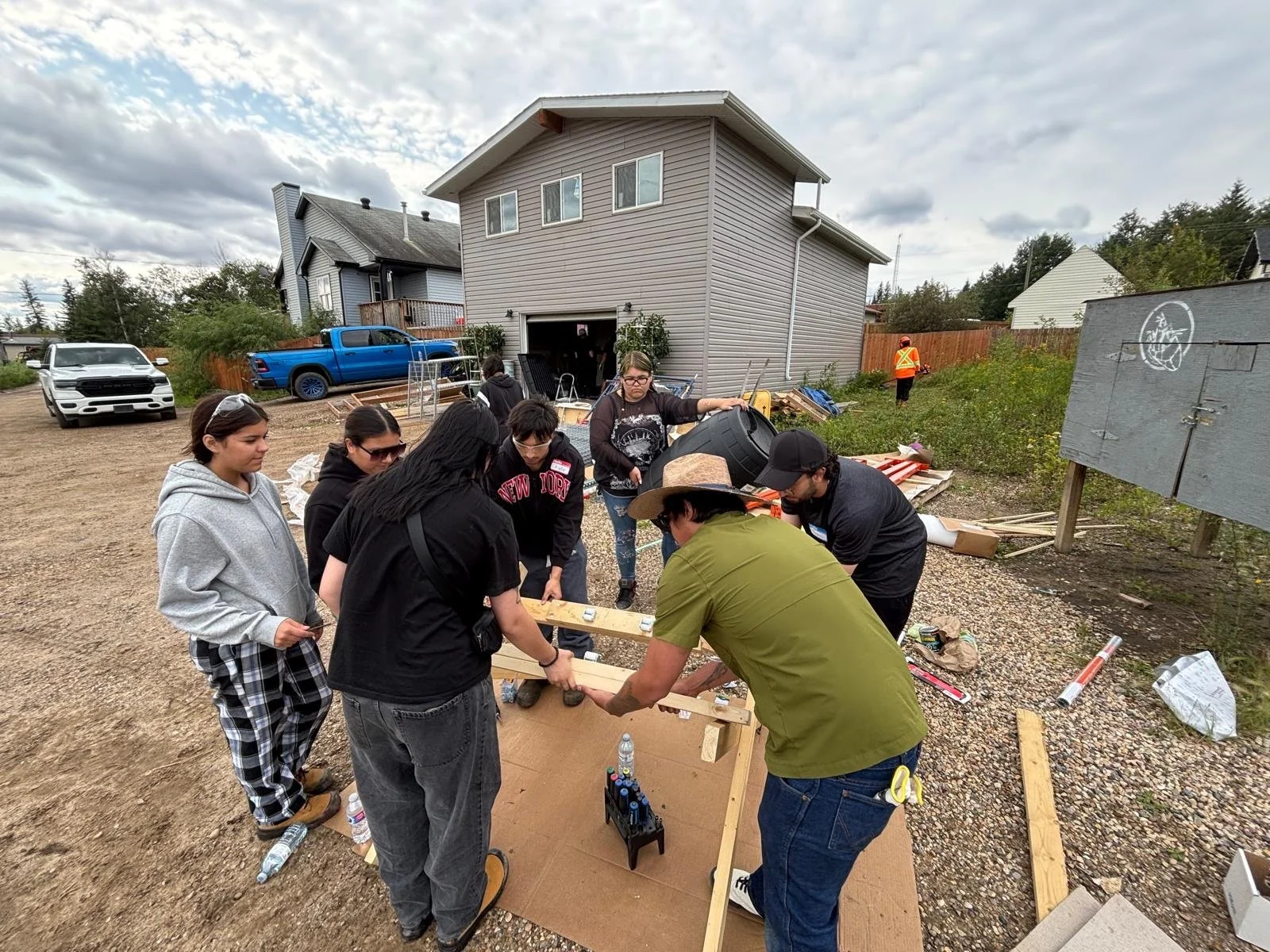
During FM3S’26, students began cleanup of the abandoned Creeburn Lake Lodge as the initial step to its ultimate transformation as a Living Lab site. Additionally, students presented work from their workshops at the Green Roots Art Showcase and Open House, including a portable composter they made from a rain barrel in the Composing Lab and photographs of the FMFN community that they believed represented the Seven Teachings in the Art and Digital Media Lab.
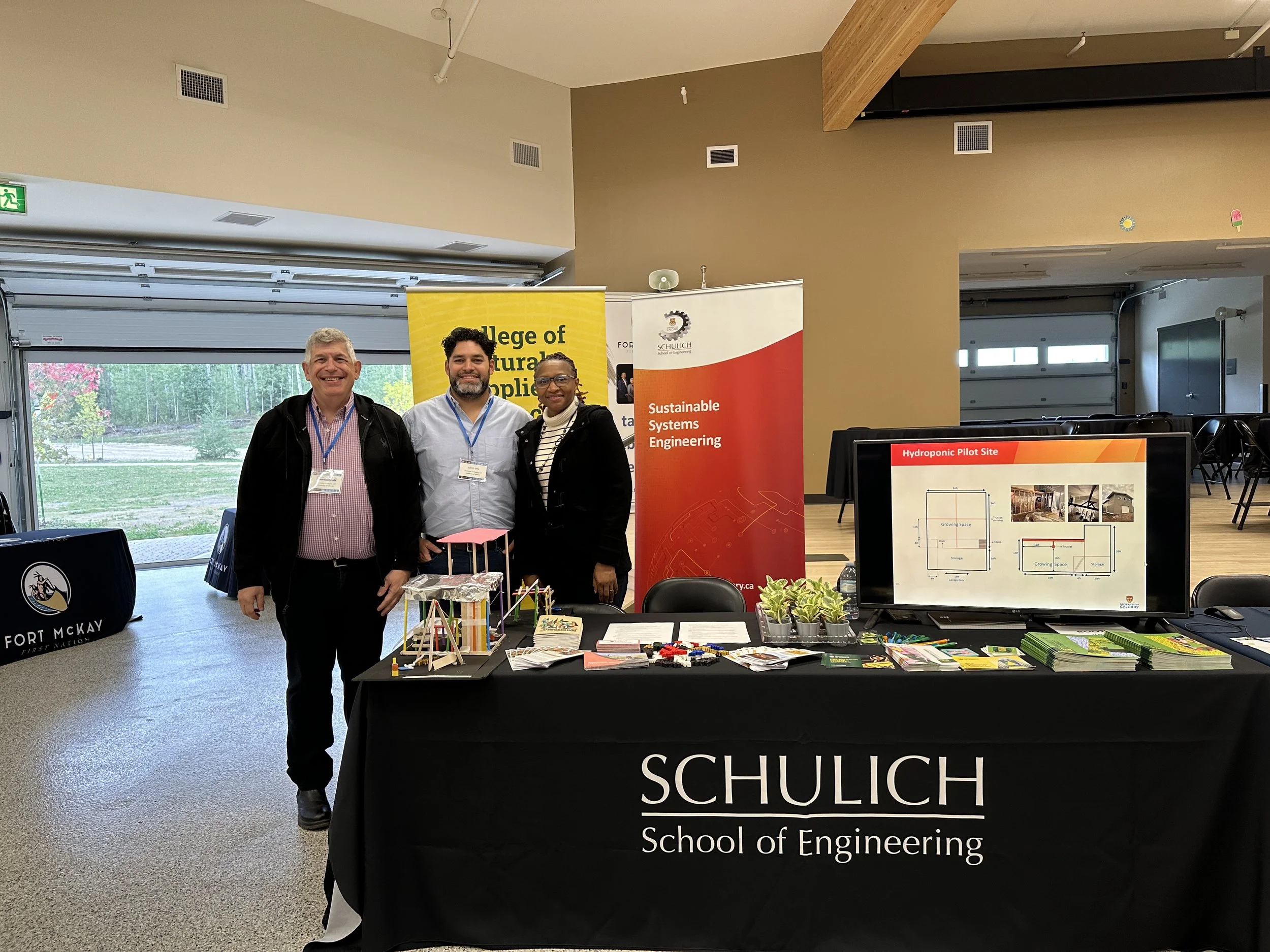
We attended the Fort McKay First Nation 2026 Tradeshow, with our booth highlighting the work of Creeburn CLEAR Hub, One Child Every Child, and various resources from the University of Calgary and University of Alberta on undergraduate admissions support and campus services for prospective Indigenous students.
On-site assessment and discussion of the energy, food security, land revitalization, and environmental monitoring components has continued, allowing Work Package teams to better align technical requirements with actual site conditions and assess remaining installation needs.
Soil and land revitalization research from preliminary analysis toward field-based activities has progressed, including on-site soil sampling, analysis of satellite data, and assessment of the previously identified restoration area.
We have continued developing our soil health and microbial characterization approach, building on previous analysis and observed variability in bacterial communities to inform future sampling and monitoring strategies.
We are exploring integrating composting as part of the Living Lab activities as a practical engagement component with future FM3S’27 students and its potential connection with soil health, growing systems, and resource recovery.
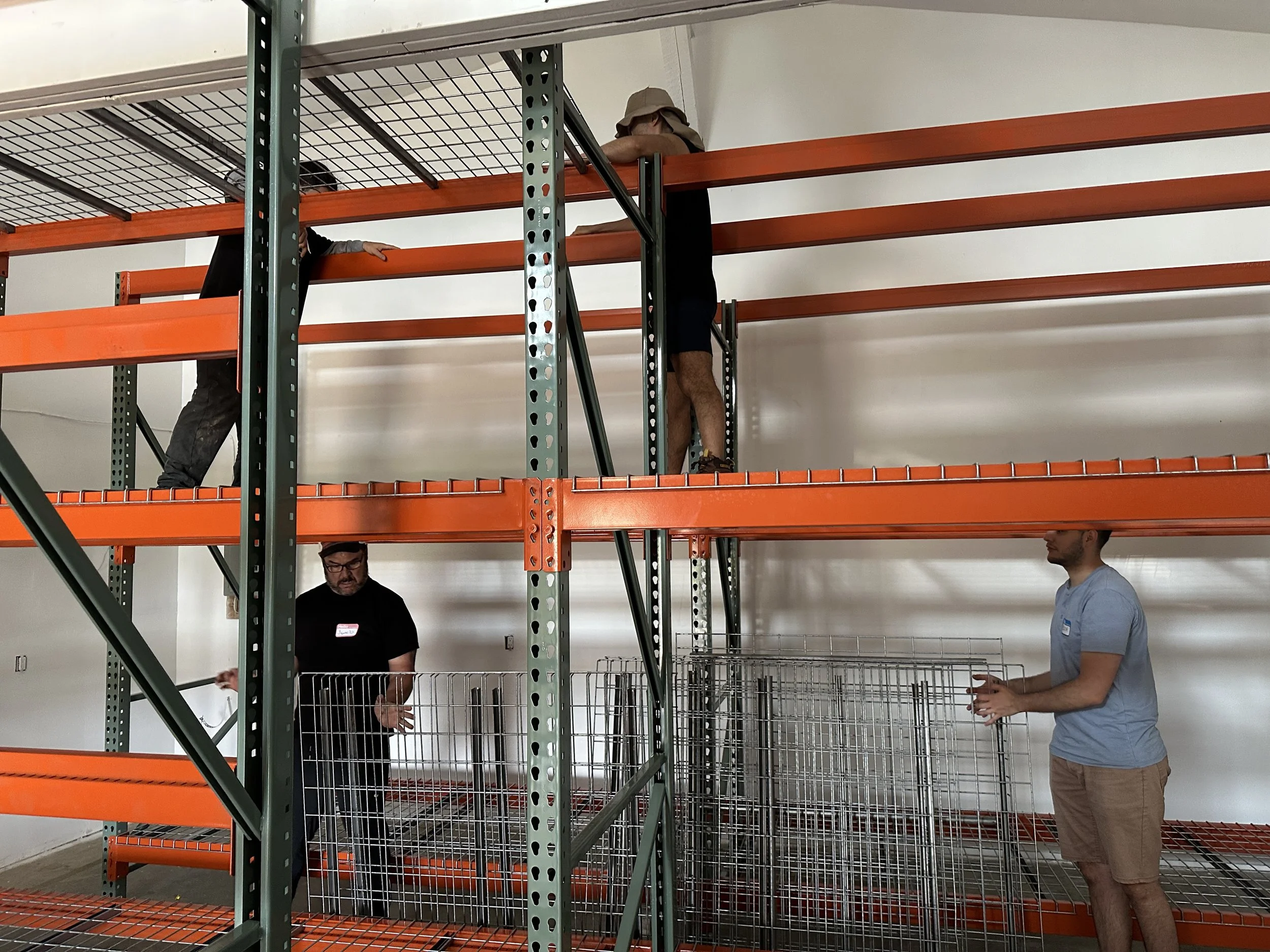
Partial installation of the Living Lab hydroponic growing racks has been completed, representing initial physical implementation of the food security research component and preparation for future growing experiments and system monitoring.
We have identified opportunities for future longitudinal monitoring, including repeated soil sampling to evaluate changes in microbial communities and soil conditions as restoration activities progress.
Continual engagement with academic, industry, and community partners through regular meetings and site visits remains a priority.